Balasore district in Odisha is a treasure trove of diverse attractions that cater to every kind of traveler. Whether you are drawn to the hypnotic rhythm of ocean waves, the spiritual aura of ancient temples, the thrill of wildlife encounters, or the quiet contemplation of historical ruins, Balasore has something extraordinary waiting for you. This comprehensive guide covers all the major and lesser-known places to visit in the district, complete with practical information to help you plan your explorations. We have organized the attractions into categories — beaches and coastal wonders, temples and spiritual sites, nature and wildlife reserves, and historical and cultural landmarks — so you can easily identify the destinations that align with your interests.
Balasore's attractions are spread across the district, with some clustered conveniently near the district headquarters town and others requiring short drives into the surrounding countryside. The good news is that the district's road network has improved significantly in recent years, making most attractions accessible within a one to two-hour drive from Balasore town. Local transportation options include auto-rickshaws, shared taxis, hired cars, and for the more adventurous, rented motorcycles. We recommend spending at least three to four full days in the district to do justice to its many attractions, though those with more time will find no shortage of places to explore.
Beaches and Coastal Wonders
Balasore's coastline along the Bay of Bengal offers some of the most unique and beautiful beach experiences in all of India.
Chandipur Beach — The Vanishing Sea
Chandipur Beach stands as Balasore's most iconic attraction and one of the most remarkable natural phenomena in the world. Located approximately 16 kilometers from Balasore town, this beach has earned international fame for its extraordinary tidal behavior where the sea recedes up to five kilometers from the shore during low tide, only to return hours later with the incoming tide. This phenomenon, known locally as the "hide and seek" of the sea, is caused by the extremely gentle gradient of the continental shelf in this part of the Bay of Bengal. The ocean floor slopes so gradually that even a modest drop in water level exposes vast stretches of seabed.
The experience of witnessing the vanishing sea is truly mesmerizing. As the tide goes out, what was moments before a conventional beach transforms into an immense plain of wet, glistening sand stretching as far as the eye can see. The sand forms intricate patterns — ripples, channels, and pools that catch the light and create an ever-changing canvas of natural art. Visitors can walk for kilometers on this exposed seabed, encountering tidal pools teeming with small fish, crabs, and other marine creatures. One of the most fascinating inhabitants of these tidal flats is the horseshoe crab, a "living fossil" whose ancestors have survived virtually unchanged for over 450 million years. Chandipur is one of the few places in India where these ancient creatures can be observed in their natural habitat.
The beach itself is bordered by casuarina plantations and features a pleasant promenade with benches, small eateries, and accommodations ranging from government-run tourist lodges to private hotels. The Chandipur area also houses the Integrated Test Range (ITR) of the Defence Research and Development Organisation (DRDO), where India tests its missiles. While the test range area is restricted, its presence has contributed to the development of infrastructure in the area, including improved roads and communications facilities. The best time to experience the vanishing sea is during the spring tides that occur around the full moon and new moon, when the tidal range is at its greatest. Local tide tables are available at hotels and tourist information centers, and we strongly recommend checking these before planning your beach visit.
💡 Chandipur Visitor Tips
Distance from Balasore: 16 km | Best time: October to February | Tide schedule: Check local tide tables at your hotel. The sea typically recedes during morning low tide (around 5:30 AM to 9:00 AM) and afternoon low tide (approximately 6:00 PM). Always keep an eye on the returning tide and head back well in advance.
Talasari Beach — Golden Sands and Casuarina Groves
Talasari Beach, located approximately 90 kilometers north of Balasore near the Odisha-West Bengal border, is a stunning stretch of golden sand that remains one of the most peaceful and unspoiled beaches in eastern India. Unlike the more developed beaches of Goa or even Puri, Talasari retains a raw, natural beauty that appeals to travelers seeking tranquility and authentic coastal experiences. The beach is bordered by dense casuarina groves that provide natural shade and create a distinctive rustling soundtrack as the sea breeze passes through their needle-like leaves.
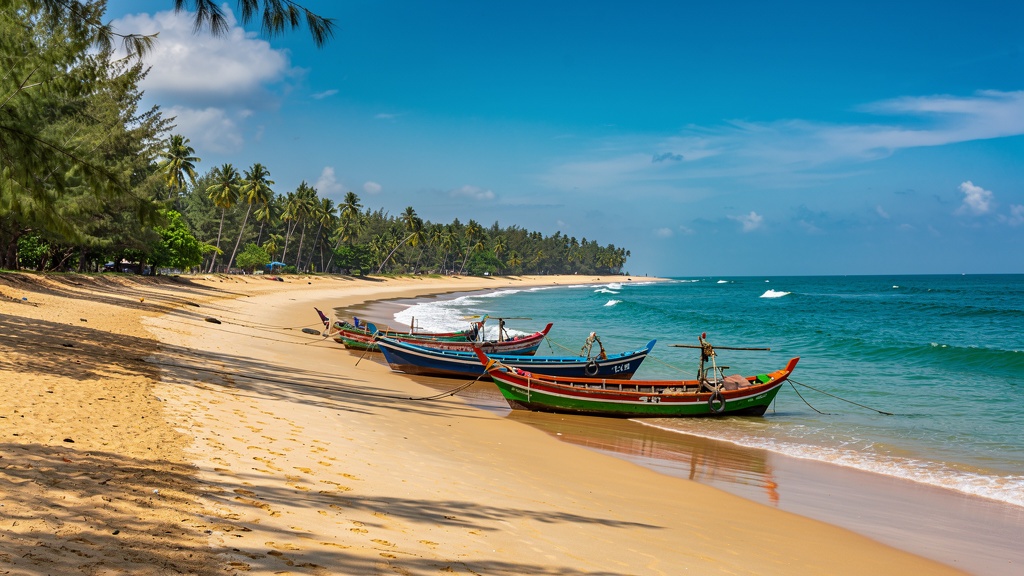
The Subarnarekha River meets the Bay of Bengal near Talasari, creating an estuarine environment of considerable ecological significance. This confluence zone supports diverse birdlife, including kingfishers, herons, egrets, and during the winter months, migratory species from as far as Siberia and Central Asia. The river mouth area is also known for its red crabs, which emerge in large numbers during certain seasons, creating a remarkable visual spectacle against the golden sand. Fishing is an important livelihood for the local community, and the sight of traditional fishing boats heading out at dawn, their colorful sails catching the morning light, is one of the most photogenic scenes in the region.
Adjacent to Talasari is Udaipur Beach, a quieter extension of the same coastline that offers even more secluded beach experiences. The area between Talasari and Udaipur is dotted with small fishing villages where visitors can observe traditional coastal life and interact with the warm and welcoming local community. Simple beach shacks offer fresh seafood — fried fish, prawn curry, and crab preparations — that rivals anything served in upscale restaurants. For accommodation, there are a few basic but clean guesthouses and eco-resorts near the beach, though most visitors choose to base themselves in Balasore town and make a day trip to Talasari.
Dagara Beach and Balaramgadi
Dagara Beach, situated about 12 kilometers south of Chandipur, offers a more secluded and rustic beach experience. This is where the Budhabalanga River meets the Bay of Bengal, creating a dynamic landscape of sandbars, channels, and estuarine habitats. The beach is less developed than Chandipur, which is precisely its appeal for travelers seeking solitude and an unfiltered connection with nature. The sunsets from Dagara Beach, with the river and sea merging under a canopy of changing colors, are among the most spectacular in the region.
Nearby Balaramgadi is a historic port area where the Dutch and British once conducted trade. Today, it functions primarily as a fishing harbor, and the morning catch auction is a lively and colorful event that offers a genuine glimpse into the economic and social life of the coastal community. The area around Balaramgadi is also significant for its mangrove forests, which serve as vital nurseries for fish and crustaceans and help protect the coastline from erosion and storm surges. Eco-tourism initiatives in the area are gradually developing, offering guided walks through the mangroves and boat trips along the river mouth.
Choumukha Beach
Choumukha Beach, located near the town of Soro in Balasore district, is a relatively undiscovered gem that offers an untouched coastal experience. The beach gets its name from the four streams (choumukha means "four mouths") that flow into the sea in this area, creating interesting water patterns and sand formations. This is not a resort-style beach — there are no sun loungers or cocktail bars — but for travelers who appreciate raw, unmanicured natural beauty, Choumukha is a rewarding discovery. The surrounding area is primarily agricultural, and the juxtaposition of golden paddy fields leading down to the sea creates a landscape of extraordinary beauty, particularly during the harvest season.
Temples and Spiritual Sites
Balasore's temples are not just places of worship — they are repositories of art, architecture, and living spiritual traditions that span millennia.
Panchalingeswar Temple — Five Shiva Lingams in a Mountain Stream
The Panchalingeswar Temple, located approximately 32 kilometers from Balasore town in the Nilgiri hills, is one of the most visually stunning and spiritually significant temples in all of Odisha. What makes this temple truly unique is its setting: five Shiva lingams (sacred symbols of Lord Shiva) are naturally formed in the bed of a perennial mountain stream, with cool, crystal-clear water flowing over them continuously throughout the year. The stream cascades down a series of rocky terraces surrounded by dense tropical forest, creating an atmosphere that is simultaneously sacred and wildly beautiful.
To reach the lingams, visitors must climb a series of stone steps carved into the hillside, passing through lush forest that is home to monkeys, exotic birds, and during the rainy season, spectacular wildflowers. The ascent is moderate — taking about 20 to 30 minutes at a leisurely pace — and the effort is richly rewarded by the sight that awaits at the top. The five lingams, each a different size, are arranged in a natural rock basin through which the stream flows, creating a perpetual abhishekam (ritual bathing) that devotees believe has been occurring since time immemorial. The sound of water over stone, the dappled light filtering through the forest canopy, and the ancient presence of the lingams combine to create an experience that touches even the most secular visitor.
The temple complex includes several smaller shrines, a meditation area, and basic facilities for pilgrims. The surrounding forest is part of a protected area, and the bio-diversity here is remarkable — look out for Malabar pied hornbills, Indian giant squirrels, and if you are very lucky, the occasional glimpse of a barking deer or Indian bison (gaur) in the more remote areas. The Devkund waterfall, a spectacular cascade located about 3 kilometers from the temple, is an excellent add-on to a Panchalingeswar visit. The waterfall, which plunges about 40 feet into a natural rock pool, is at its most impressive during and immediately after the monsoon season.
Khirachora Gopinath Temple, Remuna
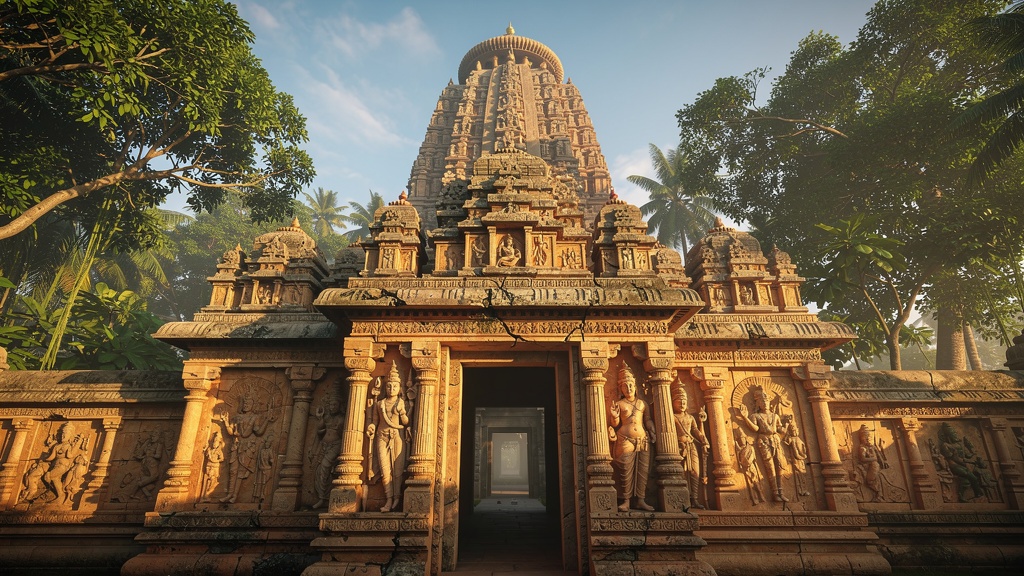
The Khirachora Gopinath Temple in Remuna, located about 10 kilometers from Balasore on the road to Bhubaneswar, is one of the most important Vaishnavite temples in Odisha and a must-visit for anyone interested in Hindu religious traditions, art, and architecture. The temple is dedicated to Lord Krishna in his form as Gopinath (Lord of the Gopis), and its presiding deity is a magnificent black stone idol that is believed to date back several centuries. The temple's architecture follows the classic Kalinga style with a tall curvilinear shikhara (tower) adorned with intricate carvings of deities, celestial musicians, mythological scenes, and ornamental motifs.
The temple is most famous for its "Khira" — a unique sweet offering made from condensed milk that has been prepared using the same traditional recipe for over 700 years. Legend has it that the great Vaishnavite saint Madhavendra Puri visited this temple in the 15th century and was so moved by the deity that Krishna himself appeared and offered him khira (sweetened condensed milk). The name "Khirachora Gopinath" literally translates to "the Gopinath who stole khira," a reference to this beloved legend. Today, every visitor to the temple can receive this sacred prasad (offering), which is prepared fresh daily by the temple's traditional cooks using a recipe that has been passed down through generations. The khira is extraordinarily delicious — rich, creamy, and subtly sweet — and experiencing it is as much a culinary treat as a spiritual one.
The temple complex also includes a beautiful garden, a sacred tank (pond), and several subsidiary shrines. The annual Rath Yatra (Chariot Festival) at Khirachora Gopinath Temple is a grand affair that draws thousands of devotees and features elaborately decorated chariots, devotional music, and community feasting. The temple town of Remuna itself is a pleasant place to walk around, with its traditional Odia houses, small shops selling religious items and local sweets, and the unhurried pace of life that characterizes small-town India at its best.
Chandaneswar Temple
The Chandaneswar Temple, dedicated to Lord Shiva, is located near the Odisha-West Bengal border and is one of the most revered Shaivite temples in the region. The temple sits on a hillock surrounded by ancient trees and offers panoramic views of the surrounding countryside. The annual Shiva Ratri festival at Chandaneswar draws enormous crowds from both Odisha and neighboring West Bengal, with celebrations continuing through the night and featuring elaborate rituals, devotional singing, and a festive fair that operates for several days. The temple's architecture, while less ornate than some of the larger Odia temples, has a dignified simplicity that reflects its great antiquity. Archaeological evidence suggests that a temple has existed at this site for at least a thousand years, with the current structure incorporating elements from various periods of renovation and expansion.
Sajanagarh and Other Temple Sites
The hilltop fort and temple complex at Sajanagarh, located about 40 kilometers from Balasore, combines military architecture with religious significance. The fort, built during the Bhanja dynasty period, sits atop a hill that provides commanding views of the surrounding plains and forests. Within the fort complex, several temples dedicated to Lord Shiva and other deities feature carvings and sculptural elements that reflect the artistic traditions of medieval Odisha. The climb to the fort is steep but rewarding, and the peaceful atmosphere at the top makes it an excellent spot for contemplation and photography. Other notable temples in the district include the Jagannath Temple at Basta, the Budhi Thakurani Temple, and numerous smaller village shrines that collectively represent the rich and varied religious landscape of the region.
Nature, Wildlife, and Eco-Tourism
From tiger reserves and waterfalls to mangrove forests and bird sanctuaries, Balasore's natural attractions are as diverse as they are spectacular.
Simlipal National Park — A Biodiversity Hotspot
While Simlipal National Park falls primarily within the neighboring Mayurbhanj district, Balasore serves as one of the most convenient bases for visiting this extraordinary protected area, and no guide to Balasore's attractions would be complete without it. Designated a UNESCO Biosphere Reserve and a Project Tiger reserve, Simlipal encompasses approximately 2,750 square kilometers of dense tropical and subtropical forests that harbor some of India's most iconic wildlife species.
The park is home to a significant population of Royal Bengal tigers, with recent surveys estimating between 25 to 30 individuals. Asian elephants, leopards, four-horned antelopes (chousingha), gaur (Indian bison), sambar deer, barking deer, mouse deer, giant squirrels, and numerous species of primates also inhabit the park's diverse ecosystems. The avifauna is equally impressive, with over 304 species recorded, including the majestic crested serpent eagle, Malabar pied hornbill, Indian pitta, and numerous species of woodpeckers, flycatchers, and warblers. For butterfly enthusiasts, Simlipal is a paradise, with over 600 species of butterflies documented — one of the highest concentrations in India.
Two of Simlipal's waterfalls deserve special mention. Barehipani Falls, at approximately 399 meters, is the second-highest waterfall in India and one of the most spectacular natural sights in eastern India. The water cascades down a sheer cliff face into a pool surrounded by dense forest, creating a scene of extraordinary natural drama. Joranda Falls, at about 181 meters, is equally impressive and more accessible, with a well-maintained viewing platform that allows visitors to appreciate the full height and force of the cascade. Both waterfalls are most impressive during the monsoon season (July to September), when they carry maximum water, but they remain beautiful year-round thanks to the park's numerous perennial streams.
Visiting Simlipal requires a permit, which can be obtained from the forest department offices in Balasore or Baripada. The park is generally open from November to June, with the best wildlife viewing typically from March to May when reduced water availability concentrates animals around permanent water sources. Accommodation within the park is available at forest rest houses at Chahala, Jamuani, and Barehipani, which must be booked in advance. For those with limited time, a day trip from Balasore to the park's periphery and the Chahala zone is feasible, though an overnight stay is recommended to fully appreciate the park's atmosphere and maximize wildlife viewing opportunities.
Kuldiha Wildlife Sanctuary
The Kuldiha Wildlife Sanctuary, located about 60 kilometers from Balasore, is a smaller but no less significant protected area that serves as a buffer zone for Simlipal National Park. Spread across approximately 272 square kilometers, Kuldiha is known for its healthy population of elephants, which can frequently be seen along the forest roads, particularly during the early morning and late afternoon hours. The sanctuary also harbors leopards, wild boar, various deer species, and a rich diversity of birdlife. Unlike Simlipal, Kuldiha is less crowded and more easily accessible, making it an excellent option for visitors with limited time or those who prefer a more intimate wildlife experience.
The drive through Kuldiha Wildlife Sanctuary is itself a memorable experience, with the road passing through dense sal and teak forests interspersed with bamboo groves and clearings where wildlife sightings are common. The sanctuary also contains several tribal villages where the Kolha, Santal, and Bathudi communities maintain their traditional ways of life. Eco-tourism initiatives in the sanctuary include guided nature walks, elephant tracking experiences, and overnight stays in basic forest rest houses that offer the unique experience of sleeping in the heart of the jungle with the sounds of the forest as your soundtrack.
Mangrove Forests and Coastal Wetlands
Balasore's coastal zone includes significant areas of mangrove forest, particularly at the mouths of the Budhabalanga and Subarnarekha rivers. These mangrove ecosystems are among the most biologically productive habitats on Earth, serving as nurseries for commercially important fish and prawn species, nesting sites for numerous bird species, and critical buffers against coastal erosion and storm surges. The mangroves of Balasore support a remarkable diversity of life, including mudskippers (fish that can walk on land), fiddler crabs with their characteristically oversized claws, and monitor lizards that patrol the mudflats in search of prey.
While formal eco-tourism infrastructure for the mangroves is still developing, local fishermen can be hired to guide visitors through the waterways by boat. These informal tours offer an authentic and intimate experience of the mangrove ecosystem, with knowledgeable local guides who can identify birds, point out wildlife, and share their deep understanding of this complex environment. The best time for mangrove exploration is during the winter months (November to February), when comfortable temperatures, clear visibility, and the presence of migratory birds make for an optimal experience. As eco-tourism develops in the area, we expect more organized and sustainable mangrove tours to become available.
Historical and Cultural Landmarks
Traces of Portuguese traders, British colonists, and ancient kingdoms dot the landscape of Balasore district.
Colonial Heritage Sites
Balasore's history as one of the earliest European trading posts on India's eastern coast has left behind a fascinating legacy of colonial-era structures and sites. The Portuguese were the first Europeans to establish a presence here in the early 16th century, drawn by the prospect of trading in textiles, spices, and other commodities. They were followed by the Dutch, who set up a factory in Balasore in the 17th century, and then by the British East India Company, which established one of its earliest trading posts here in 1633. The Danes also maintained a presence in the region for a period. This succession of European colonial powers has created a layered historical landscape that offers rich material for history enthusiasts.
The Old British Cemetery in Balasore town is one of the most evocative colonial-era sites, containing weathered tombstones and memorials that date back to the 17th and 18th centuries. The inscriptions on these stones tell stories of young traders, soldiers, and administrators who traveled thousands of miles from home to seek their fortunes in the East, many of whom succumbed to tropical diseases before they could return. The cemetery is a poignant reminder of the human dimension of colonial history — a dimension that is often overshadowed by the larger narrative of empire and trade.
Other colonial-era sites include the remains of Dutch and Danish trading posts along the coast, the old customs house, and several administrative buildings in Balasore town that were built during the British period. While many of these structures are not well-maintained, they possess a weathered charm that speaks eloquently of their historical significance. Local historians and guides can provide context and stories that bring these silent structures to life, transforming a casual walk through town into a journey through four centuries of Indo-European interaction.
Chandipur ITR and Modern History
Chandipur is home to the Integrated Test Range (ITR) of India's Defence Research and Development Organisation (DRDO), a facility of considerable national importance where missiles and other defence systems are tested. While the test range itself is not open to the public, its presence has contributed to Balasore's modern development and its significance in India's contemporary history. The successful testing of several indigenous missile systems at Chandipur — including the Akash, Prithvi, and BrahMos missiles — has placed Balasore on the map of India's defence and technological achievements. A small exhibition center near the beach provides information about India's missile programme and its connection to Chandipur.
Remuna and the Trail of Saints
The town of Remuna, famous for the Khirachora Gopinath Temple described earlier, is also significant as a stop on the historical route of several important Vaishnavite saints. Madhavendra Puri, one of the founding figures of the Gaudiya Vaishnavite tradition that later produced Chaitanya Mahaprabhu, is believed to have spent significant time in Remuna. Chaitanya Mahaprabhu himself, during his famous journey from Bengal to Puri in the early 16th century, passed through Balasore and Remuna, and his visit is commemorated at several sites in the district. For followers of the Gaudiya Vaishnavite tradition and for anyone interested in the history of Hindu devotional movements, the "trail of saints" through Balasore district is a deeply meaningful pilgrimage that connects them with the spiritual geography of a transformative period in Indian religious history.
Every corner of Balasore district holds discoveries waiting to be made by the curious traveler. Beyond the attractions listed in this guide, there are village fairs, local markets, agricultural landscapes, and the everyday rhythms of life in an Indian district that has managed to preserve its character while gradually embracing modernity. We encourage you to use this guide as a starting point and to allow yourself the freedom to explore beyond it — to follow an unpaved road, to accept an invitation to tea from a friendly local, to wander into a temple you hadn't planned to visit. It is often in these unscripted moments that the truest and most memorable travel experiences occur.
Plan Your Balasore Itinerary
Ready to explore these incredible attractions? Visit our comprehensive Travel Guide for practical information on getting to Balasore, finding accommodation, local transportation, and sample itineraries for stays of different durations. You can also explore our Culture & Heritage guide to learn about the festivals, cuisine, and traditions that make Balasore a truly immersive destination.
Plan Your Perfect Balasore Trip
Get all the practical information you need — from transportation and accommodation to sample itineraries and budget tips.
Read the Travel Guide